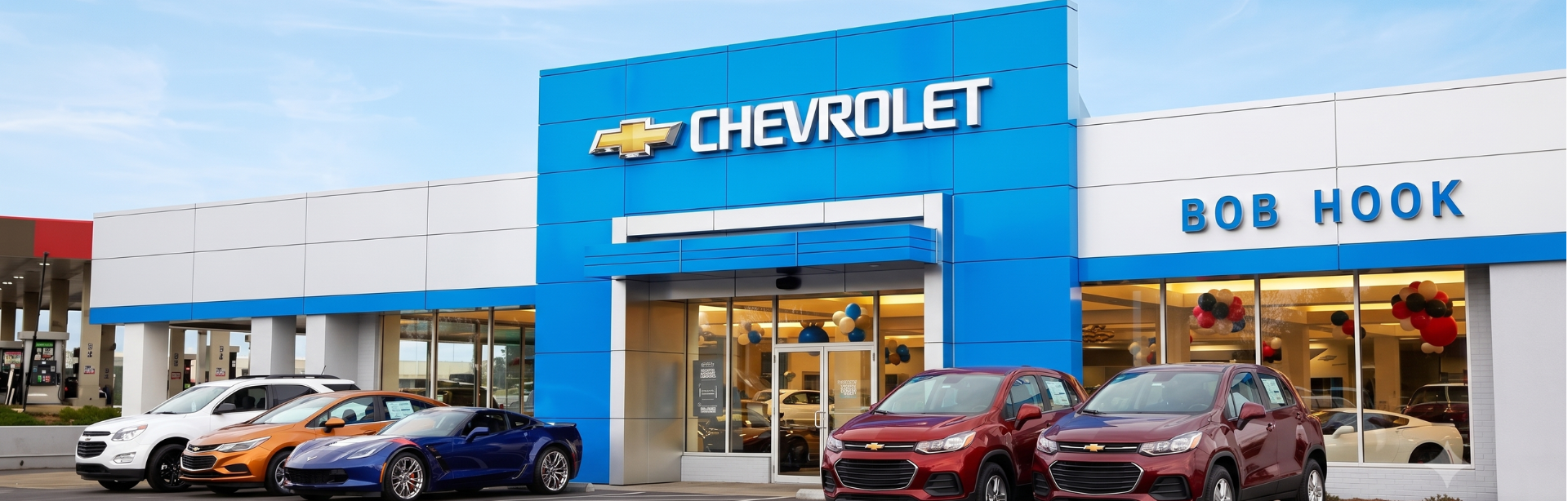


At Bob Hook Chevrolet, we understand that choosing how to pay for your new Chevrolet is a significant decision for shoppers in Louisville and surrounding areas like Jeffersontown and St. Matthews. The difference between financing and leasing may seem daunting, but it's essential to consider how each option fits into your daily life-whether you're commuting through the Highlands or planning family trips to Cherokee Park. Financing allows for ownership that aligns with the demands of local driving, while leasing can provide flexibility for those who prefer to drive a new model every few years.
With decades of experience in the community, Bob Hook Chevrolet is your trusted partner for maintaining your Chevrolet vehicle, ensuring you have the local expertise needed for a smooth driving experience on Kentucky's varied roads and seasonal conditions.
Key Takeaways (TL; DR)
- Your Credit Score Matters: A strong credit history can secure favorable interest rates and loan terms, saving you money in the long run.
- Understand Financing vs. Leasing: Financing allows you to own your Chevrolet over time, building equity, while leasing provides lower monthly payments for temporary use.
- Explore Lease-End Choices: At the end of your lease, you can buy, lease another vehicle, or simply return it, giving you flexibility based on your needs.
- Special Programs for Savings: Programs for college graduates, military personnel, and loyal customers can significantly reduce your costs when financing.
- Be Prepared: Before applying, gather necessary documents, check your credit, and establish a budget to streamline the financing process.
- Local Choices Matter: For Louisville drivers, consider how vehicle options suit your daily commutes along busy roads like Shelbyville Road, enhancing your overall driving experience.
Understanding Automotive Financing for Chevrolet Buyers
Automotive financing is the process that allows you to purchase a Chevrolet vehicle by borrowing money from a lender, such as GM Financial, a bank, or a credit union. You take out a loan to pay for the car, and then you repay that loan in monthly installments over a set period, known as the loan term. This method leads you toward owning your Chevrolet, whether it's a rugged Silverado 1500 or a versatile Equinox.
As you make payments, you build equity, which is the portion of the car's value that you own. Once you've completed your payments, the lender will provide you with the vehicle's title, making it officially yours. This is particularly advantageous for Louisville drivers who want to customize their vehicles or avoid mileage restrictions while navigating the traffic on Bardstown Road or heading to the Kentucky Derby.
Understanding Chevrolet Financial Services

Chevrolet's financial services are designed to provide a straightforward and integrated way for customers to finance their vehicles through GM Financial, the official financing partner for Chevrolet. This partnership offers competitive rates and tailored programs to fit your needs.
When you choose a new Chevrolet, you can start your financing application online or in-person at our dealership in Louisville. Offers may vary based on your credit profile, and GM Financial assesses your application to determine loan or lease options that work best for you.
With GM Financial, you may gain access to exclusive offers, such as special Annual Percentage Rates (APRs) or loyalty incentives, making it easier to drive home in your new Chevrolet. Whether you're commuting through the Highlands or heading to a family outing at Cherokee Park, Chevrolet's financing options are designed to fit your lifestyle.
What Does It Mean to Lease a Chevrolet?
Leasing a Chevrolet involves entering a long-term rental agreement that allows you to drive a vehicle for a specific period, typically between 24 and 36 months. Rather than paying for the entire vehicle, your monthly lease payment covers the car's depreciation-the difference between its initial price and its projected value at the end of the lease, known as the residual value. You will also pay interest, referred to as the money factor, along with potential fees.
This leasing structure generally leads to lower monthly payments compared to financing a purchase, making it an appealing option for those who enjoy having the latest features and technology. For drivers in Louisville, this means you can enjoy a new Chevrolet, like the versatile Equinox or the rugged Silverado 1500, without the commitment of a full purchase.
Depreciation: This is the decrease in the vehicle's value over time. When you lease, you're essentially paying for the amount the car is expected to lose in value during your leasing term.
Residual Value: This is the estimated value of the car at the end of the lease. A higher residual value can lead to lower monthly payments, making it a key factor in lease agreements. For example, models like the Chevrolet Tahoe typically have strong residual values, which can be beneficial for your budget.
Money Factor: Similar to an interest rate, the money factor determines how much interest you'll pay on your lease. It's essential to compare different offers to find the most favorable terms.
Typical Terms: Lease terms usually run for 24 to 36 months, with mileage limits that often range from 10,000 to 15,000 miles per year. Exceeding these limits can result in additional fees, so it's vital to consider your driving habits in Louisville, especially if you're commuting frequently on routes like Shelbyville Road or spending weekends at parks like Cherokee Park.
What Are My Options When My Chevrolet Lease Ends?
When your Chevrolet lease comes to an end, you have several options to consider, allowing you to choose the path that best fits your needs.
- Purchase Your Leased Chevrolet: You can buy your vehicle at the residual value specified in your lease contract, ensuring you keep a trusted vehicle.
- Lease or Buy a New Chevrolet: Simply return your current vehicle and start a new lease or purchase agreement for a fresh model, like the versatile Equinox or the powerful Silverado 1500.
- Return Your Vehicle: Schedule a thorough inspection and make any necessary repairs to address excess wear or mileage before turning it in.
Understanding the Differences Between Financing and Leasing

When considering how to acquire a Chevrolet, it's essential to understand the differences between financing and leasing. Each option has distinct implications for ownership, cost, and flexibility that can impact your driving experience in Louisville.
The primary distinction lies in ownership: financing leads to owning the vehicle, while leasing allows you to use it for a specific period without ownership.
| Feature | Financing a Chevrolet | Leasing a Chevrolet |
|---|---|---|
| Ownership | Title transfers to you after the final payment. | The vehicle remains with the leasing company. |
| Monthly Payments | Typically higher since you're paying the full vehicle value. | Lower payments as you cover only the expected depreciation. |
| Upfront Costs | Usually involves a down payment. | First payment plus acquisition fees are common. |
| Customization | You can modify the vehicle as desired. | Must return the vehicle in its original condition. |
| Mileage | No mileage restrictions. | Annual mileage caps with potential overage fees. |
| Wear & Tear | Excess wear can reduce resale value. | Fees may apply for any excessive wear upon return. |
| End of Term | You can keep, sell, or trade the vehicle. | You can return it, buy it out, or lease a new vehicle. |
What Factors Determine My Financing or Lease Terms?
Several key elements influence the terms of your financing or lease offer at Bob Hook Chevrolet.
- Credit Score: A higher score can lead to lower interest rates and better financing options.
- Down Payment: A larger down payment decreases both your monthly payments and the total interest paid.
- Term Length: While longer terms may reduce monthly payments, they can increase the overall interest cost over the life of the loan.
- Vehicle Price/Type: The cost and type of vehicle, such as a Chevrolet Silverado 1500 or Equinox, can significantly affect your financing terms.
- Debt-to-Income Ratio: Lenders evaluate your income relative to your debt to determine your ability to make payments comfortably.
What Special Programs Does Chevrolet Offer?
Chevrolet provides a range of special programs designed to help eligible customers save on their next vehicle purchase. These programs are tailored to support recent graduates, military personnel, loyal customers, and local promotional offers.
- Chevrolet College Graduate Program: Offers incentives for recent graduates who can provide proof of graduation and employment.
- Chevrolet Military Appreciation Offer: Provides benefits to eligible U.S. military members and their spouses.
- Loyalty Benefits: Rewards current Chevrolet owners with savings on select new models.
- Regional Promotions: Includes dealer or area-specific offers that are updated periodically to meet local needs.
How to Apply for Chevrolet Financing or a Lease

Starting your application online is a breeze, and you can finalize everything at our dealership.
- Get Pre-Qualified: Understand potential terms without impacting your credit score.
- Gather Documents: Prepare your driver's license, proof of income, residency, and insurance information.
- Complete Application: A full credit check (hard inquiry) will be conducted.
- Review & Sign: Confirm your APR, loan term, payment details, and any protective options.
Is It Better to Pay Cash or Finance a Car?
Paying cash for a vehicle, like a new Chevrolet Silverado 1500, provides immediate ownership without interest costs. However, it can significantly deplete savings, leaving you with less financial cushion for emergencies or other expenses, such as unexpected repairs or family needs.
On the other hand, financing a Chevrolet, such as the Equinox or Traverse, allows you to retain cash reserves while making manageable monthly payments. This option can enhance financial flexibility, particularly for those commuting on busy roads like Shelbyville Road or heading to local attractions like the Louisville Slugger Museum. The best choice ultimately hinges on your personal budget, financial goals, and comfort with debt.
What Are the Pros and Cons of Each Payment Method?
Consider the benefits and drawbacks of financing versus leasing to determine which aligns best with your driving habits and financial goals.
Pros of Financing a Chevrolet
- You Own It: Once the payments are complete, the vehicle is yours to keep, sell, or trade-ideal for long-term ownership.
- No Mileage Penalties: Drive as much as you want without worrying about excess mileage fees, perfect for those commuting from places like Shepherdsville to downtown.
- Freedom to Personalize: Make modifications or add accessories to your Chevrolet, fitting your style and needs.
- Build Equity: Each payment increases your ownership stake, providing value for future resale or trade-in.
Cons of Financing a Chevrolet
- Higher Monthly Payments: Typically, these are greater than lease payments, which can impact your monthly budget.
- Maintenance After Warranty: Once the warranty expires, you're responsible for all maintenance costs, which can add up over time.
- Depreciation: The vehicle will lose value over time, which can affect resale when you decide to sell.
Pros of Leasing a Chevrolet
- Lower Monthly Payments: Lease payments are often less than financing, making it easier on your budget.
- Fewer Repair Costs: Many leases coincide with warranty periods, minimizing unexpected repair bills.
- Easy Turn-In: At the end of the lease, simply return the vehicle without the hassle of selling it.
Cons of Leasing a Chevrolet
- No Ownership: You don't build equity; the vehicle must be returned at the end of the lease term.
- Mileage Limits: Many leases come with mileage restrictions, and exceeding them can lead to costly fees-especially for those commuting frequently.
- Wear and Tear Fees: Charges may apply if the vehicle shows wear beyond normal use when returned.
- No Customization: Vehicles must be returned in their original condition, limiting personal expression.
What Are Some Tips for Securing the Best Deal?

Effective planning and timing can significantly lower your overall expenses when purchasing a vehicle.
- Check Your Credit First: Ensure there are no errors on your report before applying for financing.
- Compare Lenders: Gather quotes from both banks or credit unions and your dealership to find the best rate.
- Time Your Purchase: Shopping at the end of the month, quarter, or model year often reveals valuable incentives.
- Negotiate the Vehicle Price First: Focus on the vehicle's price before discussing financing or leasing options.
- Understand Key Financial Terms: Familiarize yourself with terms like cap cost, residual value, money factor for leases, and APR, loan term, and total amount financed for loans.
Frequently Asked Questions (FAQs)
What should I ask about warranty coverage?
It's important to inquire about the specifics of any warranty, including what it covers, the duration, and how it applies to different Chevrolet models, so you can maximize your investment.