

Whether you spend your afternoons navigating the daily stop-and-go congestion on Shelbyville Road or packing up for a weekend picnic at Cherokee Park, your vehicle works hard to keep up with your life. The secret to getting the most out of that dependability, especially through our humid Kentucky summers and unpredictable winters, is staying on top of routine care. This guide breaks down why following the factory-recommended maintenance schedule is the smartest way to preserve the performance, safety, and longevity of your Chevrolet.
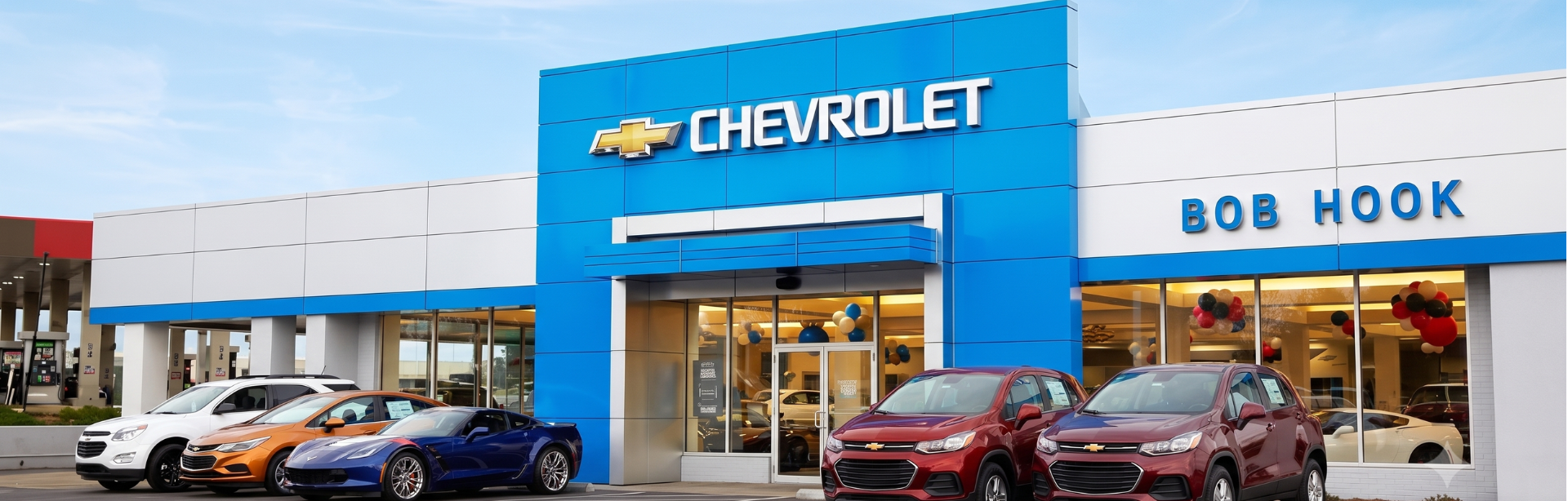
For decades, Bob Hook Chevrolet has been a fixture in the local community, earning the trust of drivers through our deep knowledge of maintaining and servicing Chevrolet vehicles. We take pride in being your reliable, long-term automotive partner, using our proven expertise and understanding of the Louisville area-from Jeffersontown and Saint Matthews to Middletown and Shepherdsville-to keep your truck or SUV performing at its best. Following the right service timeline isn't just a suggestion; it's a proven strategy to ensure your Chevy is always ready for whatever the road throws your way.
What Does "Recommended Maintenance" Truly Mean for Your Chevrolet?
Recommended maintenance isn't just a casual suggestion; it is a highly specific service schedule engineered directly by Chevrolet to maximize your vehicle's lifespan. While it is easy to focus primarily on standard oil changes, this roadmap is much more comprehensive. It dictates exactly when your truck or SUV needs critical fluid exchanges, brake pad inspections, and suspension checks based on its current age and mileage. What this means for Louisville drivers is that following the schedule prevents minor, everyday wear from snowballing into expensive repairs down the line.
Think of this timeline as a preventative health routine for your vehicle. Just as you wouldn't skip an annual physical, your Chevy needs systematic care to handle real-world demands. For instance, rotating the tires on a Chevrolet Equinox every 7,500 miles ensures even tread wear, while swapping out the cabin air filter keeps Kentucky's heavy spring pollen out of your interior. If you commute through afternoon stop-and-go traffic on Shelbyville Road in Saint Matthews, or frequently haul family gear out to Cherokee Park, your transmission and brakes are working overtime. Sticking to this targeted maintenance plan guarantees that every component stays durable, efficient, and ready for whatever the road throws your way.
How Does Regular Service Enhance Your Chevrolet's Safety?
What this means for Louisville drivers is that staying on top of routine care directly translates to predictable performance when you need it most. Whether you are hauling family gear to Cherokee Park in a spacious Chevrolet Traverse or commuting daily from Jeffersontown, your vehicle's core components require routine attention to function flawlessly. Staying current with safety guidelines from the National Highway Traffic Safety Administration (NHTSA) is fundamental to crash avoidance and passenger protection, ensuring that every system operates exactly as the manufacturer intended.
Think about navigating sudden afternoon congestion on I-264 or handling Kentucky's notoriously unpredictable mix of humid summer downpours and slick winter mornings. In these environments, even slight wear on underlying mechanical parts changes how a gas-powered Silverado 1500 or an Equinox SUV handles emergency maneuvers. For instance, modern safety suites like Chevy Safety Assist rely on precise ride height and alignment to keep forward-facing cameras and sensors accurately calibrated. That means preventative care does more than protect your engine-it ensures your active safety tech can properly monitor the road ahead. Before diving into the specific maintenance needs of your brakes and tires below, it is helpful to remember that every scheduled service milestone is ultimately designed to keep your Chevrolet safely grounded on local roads.
Why Are Brake Inspections and Fluid Changes Critical?
Your brakes are your vehicle's most vital safety feature, acting as the ultimate fail-safe against unexpected road hazards. Between Kentucky's heavy summer humidity and the sudden stop-and-go congestion you might hit during the afternoon rush, your braking system takes a daily beating. Regular inspections and timely fluid exchanges are critical because brake pads physically grind away over time, while brake fluid degrades by soaking up invisible water vapor from the air.
Brake Pad & Rotor Checks: Routine assessments measure the remaining friction material on your pads and inspect your rotors for heat warping or scoring. If you commute down Shelbyville Road or frequently load up your Chevrolet Traverse for a weekend family picnic at Cherokee Park, that extra weight and constant braking accelerates pad wear. Catching a worn pad early-usually right around the 3-millimeter thickness mark-prevents dangerous metal-on-metal grinding that compromises your stopping power and forces a much more expensive rotor replacement.
Brake Fluid Replacement: Brake fluid is naturally hygroscopic, meaning it pulls in moisture from our humid Louisville air like a sponge. As water enters the hydraulic lines, it lowers the fluid's boiling point and creates a soft, unresponsive brake pedal right when you need firm resistance. Many manufacturers recommend periodic brake fluid service (often every two to three years), depending on the model and driving conditions. Because exact intervals vary widely-whether you drive an efficient Equinox or tow heavy loads with a Silverado 2500HD-always check your owner's manual or consult a certified Chevrolet technician to map out the right schedule for your vehicle.
How Does Tire Maintenance Contribute to Safety?
Think about it: your tires are the single physical connection between your Chevrolet and the pavement. Keeping them in top shape directly dictates how well your vehicle grips the asphalt, handles corners, and stops in an emergency. For drivers around Louisville, a sudden summer downpour on I-264 means you need every ounce of traction available to avoid hydroplaning. By making tire care a priority, you ensure that the advanced safety systems built into models like the Chevrolet Equinox or Silverado 1500 have the mechanical grip they need to actually do their job.
Tire Rotations: Your front tires naturally bear more weight and take the brunt of steering friction, especially if you spend your afternoons sitting in stop-and-go congestion on Shelbyville Road. Scheduling a tire rotation roughly every 7,500 miles-often paired right alongside a routine oil change-levels out that tread wear across all four corners. This straightforward maintenance step extends the total lifespan of the rubber and prevents the unpredictable handling that can happen when navigating the winding, scenic loops of Cherokee Park on uneven treads.
Tire Pressure: Did you know that for every 10-degree drop in outside temperature, your tires can lose 1 to 2 PSI? With Kentucky's famously variable weather, checking your tire pressure at least once a month is a low-effort, high-reward habit. Driving on underinflated tires generates excess friction and heat, which dramatically increases the risk of a high-speed blowout while simultaneously dragging down your fuel economy. Keeping them inflated exactly to the specification listed on your driver's side door jamb guarantees a stable, confident ride all the way from suburban Jeffersontown down to the downtown waterfront.
Why is Routine Maintenance a Smart Financial Decision?
What this means for Louisville drivers is that a predictable maintenance schedule acts as a strong shield for your long-term budget. Putting off a routine 7,500-mile oil change and tire rotation on your Chevrolet Equinox might feel like an easy way to keep a little extra cash in your pocket this month. However, skipping these basic intervals forces your engine to work harder and your tread to wear unevenly. For example, if your daily drive involves navigating stop-and-go traffic from Jeffersontown down congested stretches of Shelbyville Road, ignoring a clogged engine air filter doesn't just reduce your daily fuel efficiency-it slowly adds hidden strain to vital engine components.
By treating vehicle care as a planned strategy rather than a reactive chore, you dodge the surprise breakdowns that disrupt your busy life. Staying on top of factory service recommendations means you catch minor brake pad wear or fluid degradation long before it turns into a major mechanical failure on your way to Waterfront Park. Ultimately, sticking to Chevrolet's service timeline preserves the integrity and future resale value of your vehicle, keeping you safely on the road while avoiding completely preventable overhauls.
How Does Maintenance Preserve Your Car's Value?
Keeping up with your recommended maintenance schedule acts as a direct financial shield against rapid depreciation. What this means for Louisville drivers is that a documented history of 7,500-mile tire rotations and regular engine air filter replacements proves your Chevrolet Equinox or Silverado 1500 hasn't just survived the afternoon congestion on Shelbyville Road-it has thrived. When you eventually trade in or sell your vehicle, a digital or paper folder full of consistent service receipts becomes your strongest negotiating tool. Valuation tools like Kelley Blue Book and local appraisers alike look for these details because they eliminate the guesswork for the next owner, showing exactly how well the engine and transmission were cared for during those hot, humid Kentucky summers.
Organized service records build immediate trust that translates directly into higher resale value. Think about the contrast: skipping a few basic oil changes might save a little time right now, but a spotty maintenance history can easily knock hundreds off your appraisal down the road. A prospective buyer looking for a reliable SUV to haul their family and picnic gear out to Cherokee Park will gladly pay a premium for a Chevrolet Tahoe with documented 30,000-mile brake fluid exchanges and verifiable multi-point inspections. Whether you use a smartphone app or a classic glovebox binder, tracking every filter, fluid, and brake pad replacement guarantees you get the maximum possible return on your investment when it is time for an upgrade.
Can Following the Schedule Really Prevent Expensive Repairs?
Absolutely. Sticking to your service intervals is the most effective way to protect your wallet from surprise breakdowns. When you are navigating the afternoon congestion on Shelbyville Road or enduring a hot, humid Kentucky summer, your vehicle's cooling and mechanical systems work overtime. Regular inspections act as an early warning system. In fact, automotive analysts at Consumer Reports consistently point to routine preventative care as the primary factor in extending a vehicle's long-term reliability. Catching a minor issue early-like a weeping coolant line or slightly uneven tire tread-means you can fix a small component before it cascades into a costly total system failure.
Consider the accessory drive belt on a Chevrolet Silverado 1500 or Equinox. A certified technician can easily spot cracking or fraying on this vital rubber component during a standard multi-point inspection. Swapping out a worn belt is a straightforward, low-cost maintenance item. If you ignore it until it snaps while you are cruising down I-264, you instantly lose your alternator and water pump, which can rapidly lead to overheating and thousands of dollars in engine damage. Keeping up with these scheduled checks also ensures your factory coverage-such as Chevrolet's 5-year / 60,000-mile Powertrain Limited Warranty-remains fully intact. For drivers around Louisville, this means trading a small, predictable investment in preventative care for complete peace of mind and much lower ownership costs over the years.
How is Chevrolet Maintenance Tailored for Kentucky's Climate?
When Chevrolet engineers map out the factory maintenance schedule for vehicles like the Silverado 1500 or the Equinox, they design it to withstand a broad spectrum of global conditions. Applying that baseline manual to daily life in the Ohio River Valley, however, requires local insight. Our region is defined by a humid subtropical climate that delivers sweltering, muggy summers and wet, unpredictable winters. For drivers commuting along I-264 or running afternoon errands out in Jeffersontown, tailoring this service timeline matters because it actively prevents premature wear caused by these seasonal extremes. By adjusting standard intervals based on local conditions-such as checking battery terminals every 10,000 miles to counter heat-induced corrosion-technicians ensure your vehicle stays completely dependable.
Routine service isn't just about checking boxes on a factory clipboard. It is about understanding how heavy stop-and-go traffic on Shelbyville Road impacts brake life or how sudden winter freezes affect your tire pressure. Adapting the overall maintenance plan means your Chevrolet is specifically prepped for the unique demands of our local roads.
Handling the Ohio River Valley Heat and Humidity
Summer weather in Kentucky does a lot more than make your afternoon drive uncomfortable. Prolonged heat and intense humidity can accelerate battery fluid evaporation and force your cooling system to work overtime. If you regularly haul family gear to Cherokee Park in a Chevrolet Tahoe, the engine faces added thermal stress. Local technicians counter this by prioritizing Dex-Cool engine coolant inspections and load-testing the battery long before the July heat peaks, reducing the risk of an unexpected breakdown.
Keeping Cabin and Engine Air Filters Clean
Between the dense spring pollen blanketing neighborhoods like The Highlands and the dust kicked up along bustling highway corridors, your vehicle's filtration systems absorb a heavy load. The engine air filter shields your intake system from abrasive particles, while the cabin air filter ensures the air circulating inside your Traverse remains fresh and allergen-free. Although a generic manual might suggest swapping these components every 15,000 to 30,000 miles, navigating Louisville's shifting weather patterns often requires inspecting them earlier to preserve optimal engine efficiency and interior comfort.
What Effect Does Humidity and Heat Have on Your Vehicle?
Kentucky's humid subtropical summers do not just make you sweat-they put immense thermal and electrical stress on your Chevrolet's vital components. The combination of high ambient temperatures and thick moisture forces your vehicle to run hotter and work harder, increasing the risk of premature wear on everything from the engine block to the climate controls.
Engine Cooling System: When you're caught in afternoon congestion on Shelbyville Road, soaring outside temperatures make it much harder for your engine to shed excess heat. Most modern Chevrolet trucks and SUVs rely on specialized coolant that typically requires a system flush every 5 years or 150,000 miles. Staying on top of these regular fluid exchanges prevents internal corrosion and keeps your motor from dangerously overheating during those sweltering August commutes.
Battery Life: Ever wonder why car batteries often seem to fail out of nowhere? Sizzling summer heat actually evaporates vital battery fluid and accelerates internal grid corrosion much faster than winter cold. If the battery in your Equinox or Silverado 1500 is nearing the three- to five-year mark, a quick voltage check and terminal cleaning can be the difference between starting right up after a day at Churchill Downs or waiting around for a jump-start.
A/C System: Navigating Louisville's muggy weather is miserable without robust air conditioning, but a struggling A/C setup also drags down your gas mileage. When refrigerant levels drop or the cabin air filter becomes clogged-a part that generally needs replacing every 15,000 to 22,500 miles-the compressor has to stay engaged longer just to cool the interior. Servicing this system restores crisp airflow, ensuring your passengers stay comfortable on weekend drives to Cherokee Park while reducing the mechanical load on your engine.
Why is Filter Replacement So Important in Louisville?
Filter replacement is essential in Louisville because our position in the Ohio River Valley creates a perfect storm for heavy seasonal pollen, summer humidity, and year-round road dust that can quickly choke your vehicle's ventilation systems. If you commute down tree-lined routes like Eastern Parkway or spend weekends hauling the family out to Cherokee Park, your Chevrolet is constantly pulling in that outside air. Keeping fresh filters installed ensures you preserve both your engine's peak performance and your passengers' breathing comfort.
Engine Air Filter: Think of this component as your vehicle's lungs. When an engine air filter becomes packed with dirt and debris, it starves the combustion chamber of oxygen. That means a hard-working truck like the Chevrolet Silverado 1500 has to exert more effort just to accelerate, which can noticeably reduce horsepower and drag down your EPA-estimated fuel economy. Because a clean filter maintains the precise air-to-fuel ratio required for proper combustion, inspecting and swapping it out every 15,000 to 30,000 miles is one of the easiest ways to protect engine health.
Cabin Air Filter: This filter sits right between the outside environment and your AC vents, acting as a frontline shield against the dense spring allergens we see drifting through Jeffersontown and Middletown. If you ever notice a musty smell or weak airflow when blasting the AC during a humid Kentucky summer, a clogged cabin filter is usually to blame. Replacing this filter every 15,000 to 22,500 miles-which typically aligns with an annual service visit-traps microscopic dust and exhaust fumes before they reach the interior, making every trip dramatically more comfortable.
Frequently Asked Questions (FAQs)
How does Bob Hook Chevrolet manage transportation options and customer amenities during service visits?
Bob Hook Chevrolet's team prioritizes your comfort by offering extensive family-friendly spaces while your vehicle is being serviced. While our foundational history does not explicitly outline a shuttle service, the dealership provides complimentary snacks and beverages to create a welcoming environment. We strive to make every Louisville maintenance visit as seamless and enjoyable as possible, whether you are driving in from Jeffersontown or the Highlands.
How can I ensure I have a loaner vehicle when my car is in for service?
While our current records do not detail a specific loaner vehicle program, Bob Hook Chevrolet's award-winning team always strives to go above and beyond for your service needs. The dealership offers extensive on-site amenities, including eco-friendly certification facilities and comfortable spaces with beverages, to accommodate you while you wait. Our specialized service technicians work efficiently to ensure you get back to cruising down Shelbyville Road without unnecessary delay.
What should I expect regarding service quote transparency at Bob Hook Chevrolet?
Bob Hook Chevrolet guarantees transparent pricing through our innovative processes, ensuring you have all the information you need at your fingertips. The dealership team will thoroughly review every detail with you before beginning any work on your Chevrolet SUV or truck. This commitment to integrity helps drivers from Middletown to Old Louisville trust that their automotive needs are handled fairly.
How does Bob Hook Chevrolet ensure clear communication regarding service pricing?
The specialized service technicians and staff at Bob Hook Chevrolet maintain a strict policy of transparent pricing for all our customers. Our team discusses all service requirements with you directly, keeping the process seamless and ensuring you have complete information at your fingertips. We believe in absolute integrity, making sure every driver navigating Saint Matthews understands their service plan fully.
What community awards has Bob Hook Chevrolet received for its local Louisville involvement?
Bob Hook Chevrolet has earned the BBB Torch Award for Community Involvement and Integrity, as well as the Best of Louisville Award for Auto Dealers. The dealership actively partners with the YMCA of Greater Louisville and Twisted Pink to make a positive impact locally. Our team is passionate about giving back through charity car shows and school supply drives that support families from Shepherdsville to the Highlands.
What exclusive vehicle benefits does Bob Hook Chevrolet provide through its specialized programs?
Bob Hook Chevrolet offers exclusive benefits through the Bob Hook Advantage and Rewards Programs, which include lifetime powertrain warranties for your peace of mind. The dealership team provides an innovative process that allows for online purchases and convenient home deliveries. These features ensure that whether you are navigating stop-and-go traffic on Preston Street or taking a weekend trip to Churchill Downs, your Chevrolet Silverado 1500 or Equinox is fully supported.